Fort Worth Second Chance Team places renters with no credit file into apartments across Fort Worth and Tarrant County at no cost to the renter. As licensed Texas apartment locators brokered by Spirit Real Estate Group, we research which communities use alternative scoring and confirm what each one charges at signing.
A missing credit score isn't the same problem as a low one, and the search works differently. Automated screening treats an empty file as risk, which means higher deposits, more paperwork, and a narrower list of properties willing to review the application on its merits.
Below, we walk through what “no credit check” ads actually screen for, which documents build the strongest case, and how to compare deposit alternatives against cash deposits so you keep more money in your pocket.
What Does “No Credit Check” Actually Mean?
Most ads for no credit check apartments actually mean the landlord uses alternative scoring.
Our team often sees Fort Worth properties use specialized agencies like Experian RentBureau, SafeRent Solutions, or TransUnion SmartMove instead of pulling a standard FICO score.
Employment tenure, banking history, and utility payment records stand in for a traditional number.
We always confirm criteria by asking what the landlord actually screens rather than trusting the marketing.
Background and eviction screening typically still run behind the scenes.
That distinction is worth holding onto, because a listing that advertises no credit check and turns out to run a full background screen is a wasted application fee.
| Marketing Claim | Actual Screening Process | Verifiable Data Used |
|---|---|---|
| ”No Credit Check” | Alternative Scoring | Bank balances, utility records |
| ”Income Only” | Income & History Review | Pay stubs, employment tenure |
| ”Instant Approval” | Specialty Agency Check | Experian RentBureau, SafeRent Solutions |
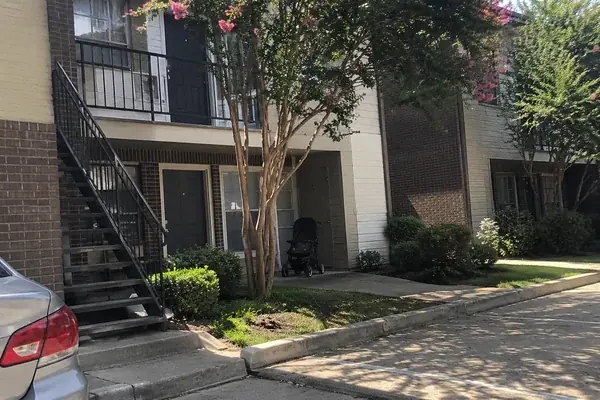
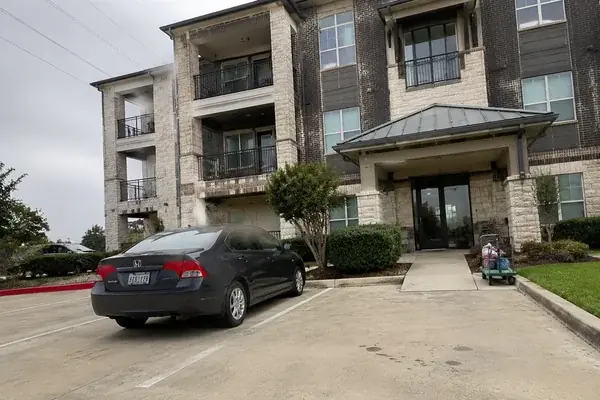
In Fort Worth, communities from North Fort Worth and Alliance down through East Fort Worth, Meadowbrook, and the south side each handle thin files differently. Garden-style walk-ups with local management often give managers direct latitude, while institutional Class A properties with corporate set criteria frequently accept guarantor programs instead.
A thin file is scored very differently from a low score, which is why this is a completely separate search from bad credit.
Our property search process factors in the higher deposits these communities often ask for.
Landlords often require extra security when they can’t verify a traditional score.
We always price a deposit alternative against a cash deposit to show the total cash needed to move in.
Who has no credit file
More people lack a measurable file than the phrase suggests.
We often work with homeowners who paid off their mortgage years ago and now run their households purely on cash and debit.
Recent arrivals to the United States, including professionals relocating for American Airlines, Lockheed Martin, or BNSF Railway positions, also fall into this category, alongside TCU and Texas Wesleyan graduates applying for a first apartment in Fort Worth.
A June 2025 CFPB update estimated that roughly 32 million American adults are unscoreable.
7 million people are completely invisible to bureaus, while 25 million have a thin file.
People coming out of a long period where nothing was in their name face this exact reality.
None of these situations represent high-risk profiles.
These are absences of data, and the communities set up for them know the difference.
The problem is that a general listing search won't tell you which communities cater to these invisible prime applicants.
Here are the most common groups who lack traditional scores:
- Cash-Only Homeowners: People who paid off past debts and closed their accounts.
- Recent Expats: Business professionals arriving in the US without domestic data.
- Young Applicants: Renters in their late teens and early twenties getting a first apartment.
- Life-Event Movers: People coming out of a long period where nothing was in their name.
What to Gather Before You Apply
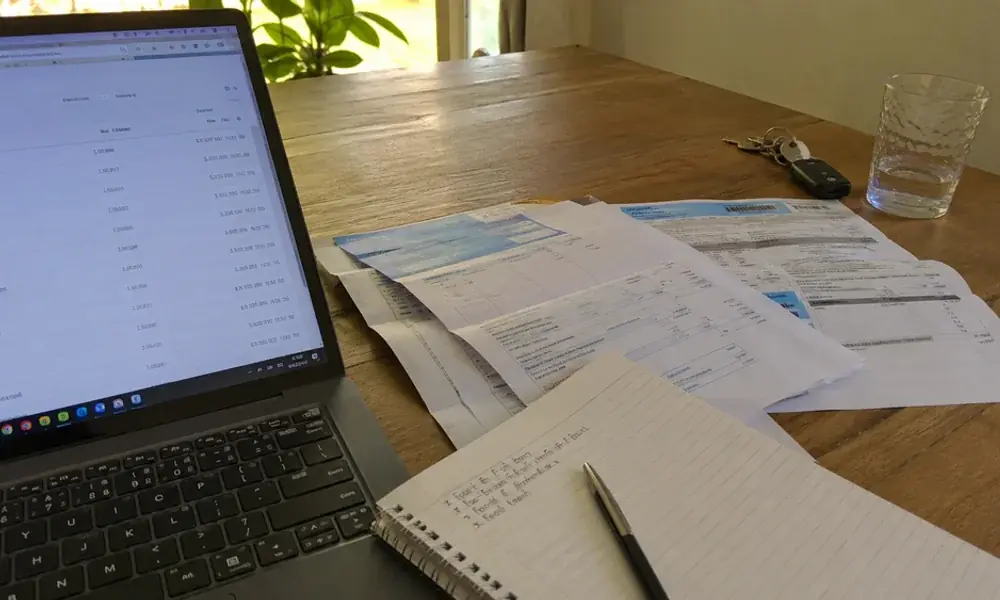
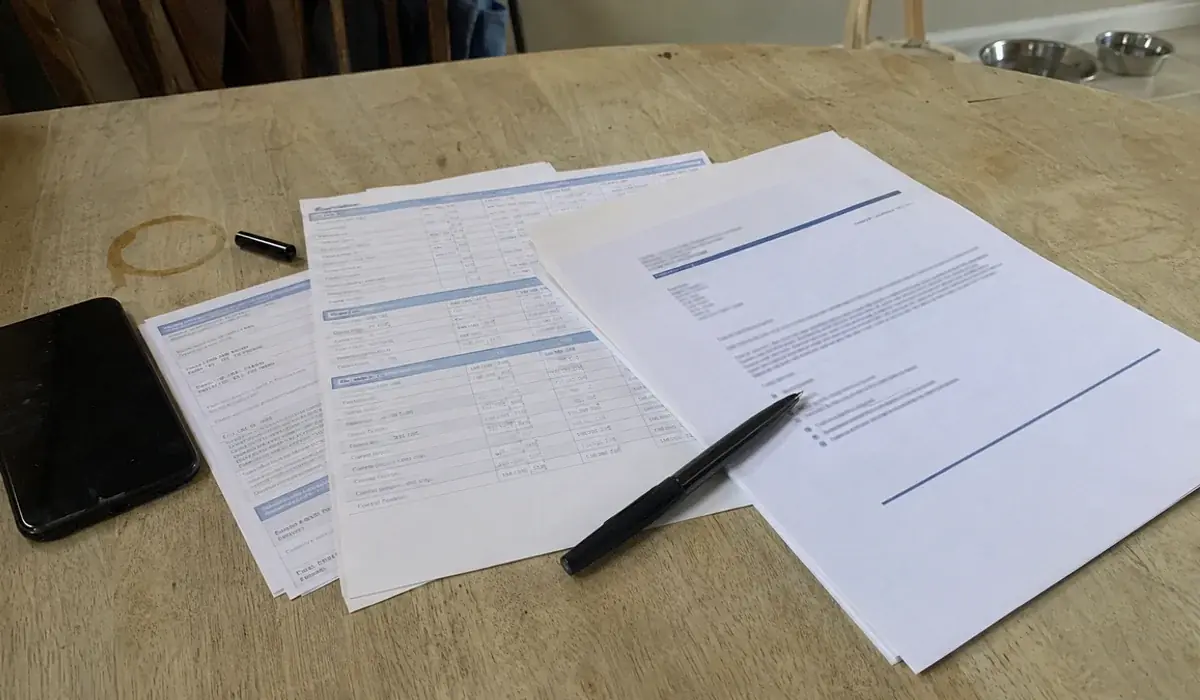
A no-score application succeeds strictly on paperwork.
We tell our clients to assemble this documentation once so it carries easily across every application.
New models like VantageScore 4.0 and FICO Score XD actively use this data to check applicants without traditional histories.
We recommend organizing everything in a single digital folder.
Here's exactly what you need to gather to prove your reliability:
- Income proof: Recent pay stubs, or a signed offer letter if you're starting a new job. Self-employed or 1099 applicants must bring the prior year tax return and three to six months of bank statements.
- Employment tenure: Be ready to show how long you've been where you're. Stability substitutes for a score at a lot of properties.
- Banking history: Gather three to six months of statements showing consistent deposits and a positive balance. This is the single most persuasive document for a thin file.
- Payment records: Collect utility, phone, or insurance statements in your name with on-time history. If you rented informally, grab a letter from that landlord confirming dates and amounts.
- Identification: Bring a clear, government-issued ID. Modern platforms like TenantEvaluation now use biometric IDVerify software, so clear photos are mandatory.
- ITIN preparation: If you've an ITIN rather than a Social Security number, locate your official documents immediately. We always use this information to shortlist communities that have a defined, expat-friendly process.
Having this file ready changes the entire conversation with property managers.
How Much Cash Do You Need at Signing?
Expect the deposit conversation to happen early.
We prepare all our clients for the reality that a community with no score to price against will commonly ask for more cash.
Landlords sometimes demand a full month or two in upfront security.
Our strategy is to price a deposit alternative right at that moment.
You can choose a smaller non-refundable premium instead of locking up a large refundable deposit for the length of your lease.
Major companies like Rhino, Jetty, and Obligo offer these deposit alternatives in 2026.
We often see renters pay a monthly fee of around $13 through Rhino instead of handing over a $3,000 cash deposit.
Obligo uses a billing authorization model that links directly to your bank, skipping the massive cash transfer entirely.
| Feature | Cash Deposit | Deposit Alternative (e.g., Rhino) |
|---|---|---|
| Upfront Cost | High (1 to 2 months rent) | Low (Small monthly fee) |
| Refundable | Yes, at move-out | No, acts as a premium |
| Risk to Renter | Funds locked up | Keeps cash flow free |
If the property is declining your application rather than approving it with a larger deposit, the required tool changes completely.
We explain to applicants that a lease guarantee addresses approval, while a deposit alternative addresses cost.
Identifying which gate you're actually stuck at is important.
Our service works out exactly where you stand before recommending either option.
On every recommendation, you get the total cash to move in so the comparison is based on real numbers.
Turn Your Rent Into a Credit Score
One last thing is absolutely worth doing at lease signing.
We always tell clients to ask whether the property reports rent payments to a credit bureau.
You can also ask if a third-party rent-reporting service is available.
Our favorite tools for this in 2026 are Esusu, Boom, and RentTrack.
These platforms link your on-time payments directly to your financial profile.
Data shows that users on the Esusu platform see an average credit score increase of 53 points just by paying their rent.
Set this up on day one.
Twelve months of reported on-time rent turns a thin file into a fully scored one.
Your next apartment search will instantly become an ordinary, stress-free experience.
Take the Next Step Toward a Lease
Gathering the right alternative documents puts you in a strong position at any Fort Worth community that uses alternative scoring.
The Fort Worth Second Chance Team checks which communities accept alternative scoring and deposit alternatives before you apply, at no charge to you. Start your second chance apartment search and we'll come back with communities whose criteria fit your situation, the total cash to move in, and what to expect at each.