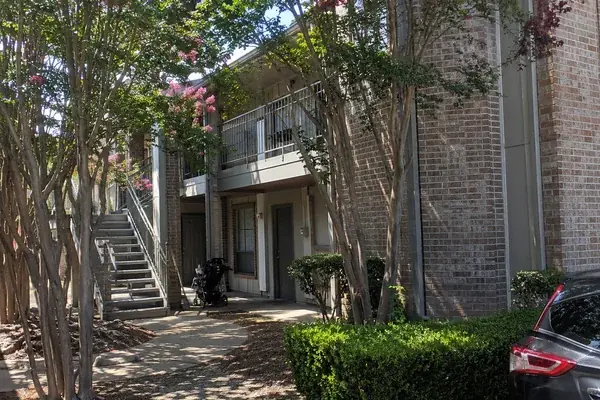
Fort Worth Second Chance Team places renters with a broken lease into apartments across Fort Worth and Tarrant County. As licensed Texas locators brokered by Spirit Real Estate Group, we sort communities by balance posture and confirm each property’s policy before you apply. The search is free to you, communities pay a referral fee at lease signing.
With Fort Worth rents averaging $1,438 as of April 2026 and stabilized occupancy just under 92% across Dallas-Fort Worth (ALN Apartment Data, July 2025), a broken lease on your record narrows the field fast. The right approach opens it back up. Here's how the process works and what to expect at each step.
A broken lease isn't an eviction
That distinction changes your housing options. An eviction is a court filing that stays on public records in Tarrant County indefinitely, landlords filed roughly 47,000 notices in the year ending July 2024.
A broken lease is different. It remains a private matter between you and a former landlord.
It surfaces through Experian RentBureau, collection agencies, or a phone call to verify your rental history. Because the source is different, the fix requires a different strategy.
There's no court docket entry to explain to a new property manager. The Fort Worth Second Chance Team focuses on handling the remaining balance and protecting your standing with that one specific former landlord.
Screening platforms like TransUnion SmartMove flag outstanding collections, so addressing the debt is the priority. Handle the balance and the early break often stops mattering entirely.
When you search for broken lease apartments in Fort Worth, properties sort into three balance postures:
- Zero balance required for approval
- Payment plan accepted by the community
- Open balance considered on a individual basis
We confirm each community’s posture before you put in an application. Properties managed by Greystar, Willow Bridge, or RPM Living set balance policy at the corporate level, while locally managed communities across east Fort Worth, Meadowbrook, and the south side give on-site managers more latitude. A guarantor through TheGuarantors or OneApp Guarantee can move your file from one posture to another. Documented lease breaks carry less weight than an unexplained departure.
What a reletting fee is, and why it isn't the whole balance
Most Texas leases, including the standard TAA lease, contain a specific reletting fee provision. If you leave early, the landlord charges this fee to cover the costs of re-marketing the unit.
The reletting fee is a calculated cost, separate from unpaid rent or physical damages. Under the standard TAA lease used across Tarrant County, it's capped at 85% of one month’s rent (2026 TAA standard).
Texas landlords have a legal duty to reduce damages under the Property Code. Property managers must actively try to find a new tenant rather than billing you for an empty room.
Knowing which portion of the bill is a reletting fee tells you what you can settle. Ask for a written zero balance letter after you negotiate a settlement. A clear letter on paper is worth far more during a new rental application than a verbal agreement and a partial payment.
| Fee Type | What It Covers | Typical Cost |
|---|---|---|
| Reletting Fee | Marketing and administrative costs to find a new tenant. | 85% of one month’s rent (Texas TAA standard). |
| Rent Owed | The monthly cost of the unit while it sits empty. | Varies, but stops once a new tenant moves in. |
| Damages | Repairs for physical wear beyond normal use. | Based on actual repair invoices. |
Documented breaks read differently
Not every early departure looks the same to a leasing manager reviewing your file. Managers have the flexibility to weigh the reasons behind your move.
Having the right paperwork completely changes the conversation. Certain situations provide strong legal or business justification for an early exit:
- Military Clause Terminations: The US Servicemembers Civil Relief Act (SCRA) gives active-duty military members the right to break a residential lease early with 30 days written notice. Be sure to bring your deployment orders along with your Leave and Earnings Statement.
- Employer Transfers: A formal letter from your HR department stating the exact relocation date provides a documented business reason. It proves you aren't simply walking out on a contract.
- Safety Reasons: Chapter 92 of the Texas Property Code offers specific early termination protections for safety concerns like domestic violence. If this specific law applies to your situation, provide the required documentation to protect your rights.
An undocumented break is the hardest version to work with. Your current income situation carries more weight in that situation.
In these cases, the shortlist skews toward communities that consider open balances or accept guarantors through services like TheGuarantors or OneApp Guarantee.
Disclosure, not concealment
Rental verification checks almost always reach out to the prior landlords listed on your application. Any gaps in your address history will immediately draw unwanted attention.
An omitted lease discovered during verification looks like intentional concealment. That puts you in a worse position than disclosing a break and attaching a paid in full letter.
Property managers use screening software like Yardi and RealPage to cross-reference addresses and spot these gaps. Disclosure is safe when your file has already been matched against the community’s published criteria.
You aren't guessing that a leasing office might feel lenient on a given day. Criteria are confirmed and dated before you apply.
Avoid these common application mistakes:
- Leaving intentional gaps in your residential history timeline.
- Assuming minor debts won't show up on a modern screening report.
- Waiting until the background check is flagged to explain a past lease break.
Our process confirms you're applying to a property whose stated rules already cover your situation. Documentation is ready to hand over before the application goes in.
How we compare to searching on your own
| Feature | Searching on Your Own | Fort Worth Second Chance Team |
|---|---|---|
| Balance posture known before applying | No, you find out after the $50-$100 application fee | Yes, confirmed with the community and dated |
| Guarantor program access | You research which communities accept TheGuarantors or OneApp Guarantee | We identify accepted programs at every property |
| Cost to you | Application fees of $50-$100 per attempt | $0, communities pay the referral fee |
| Criteria reverified | Not applicable | Quarterly reverification on file |
Ready to make your next move?
Handling an early exit correctly keeps your options wide open, from garden-style communities in east Fort Worth to Class A lease-ups near Alliance and North Fort Worth.
Our second chance apartment locating in Fort Worth confirms each community’s balance policy and lookback window with the property before you apply. We cover every pocket of Fort Worth and Tarrant County, and the service is free to you.
Call us today or start your search online to get matched with communities whose criteria already fit your file.